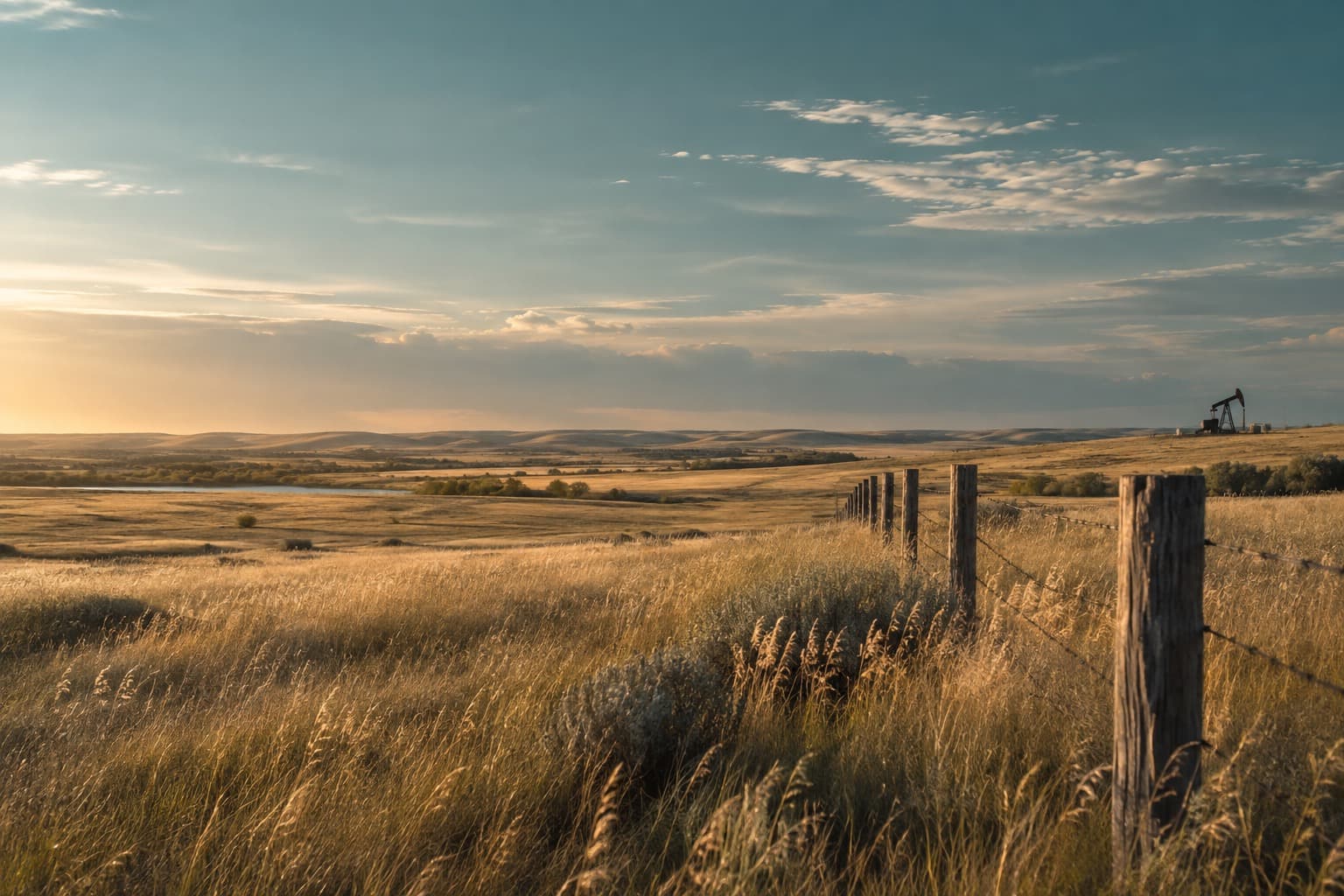
If you own land in Alberta, you may have received inquiries from oil and gas companies interested in exploring or exploiting the mineral resources beneath your property. While this can represent a valuable opportunity for landowners, negotiating an oil and gas lease requires careful consideration and a thorough understanding of your rights and obligations. This comprehensive guide walks you through the key aspects of oil and gas lease negotiation to help you make informed decisions and protect your interests.
Why Oil & Gas Leases Matter for Landowners
Oil and gas leases represent a significant legal and financial commitment between landowners and petroleum companies. For landowners, these agreements can generate substantial income through bonus payments, royalties, and rental payments. However, they also grant companies access to your land and the mineral resources beneath it, with implications that can last for decades.
Understanding the terms of an oil and gas lease is essential because you are essentially sharing control of a valuable natural resource. The decisions you make during lease negotiation can determine whether you receive fair compensation for that resource, how your land will be used during operations, and how quickly the company must vacate your property once production ends.
Many landowners sign leases without fully understanding the implications, often resulting in below-market royalty rates, inadequate protections for surface operations, or lease terms that unduly benefit the petroleum company. With careful negotiation and legal guidance, you can structure a lease that fairly compensates you while protecting your surface rights and environmental interests.
Understanding Mineral Leases and Surface Rights
It is crucial to understand the distinction between mineral rights (or mineral leases) and surface rights. When you own property in Alberta, you may own both the surface and the minerals beneath it, or these rights may be separated. An oil and gas lease grants the company the right to extract minerals from beneath the surface, but it does not automatically grant unrestricted access to the surface itself.
Your mineral lease governs the company's right to drill for and extract oil and gas. Your surface rights govern how the company may use the surface of your land to conduct those operations. Many leases fail to adequately address surface use, leading to conflicts. The company may claim broad rights to construct roads, pipelines, and facilities across your land, while you may have separate concerns about noise, dust, groundwater impacts, and the ability to continue farming or ranching operations.
Smart lease negotiation ensures that surface rights and mineral lease rights are clearly separated, with distinct protections for each. This prevents disputes later and ensures that surface operations are conducted in a manner consistent with your expectations and land use practices.
Contract Law and Landowner Rights in Alberta
Oil and gas leases are contracts governed by Alberta law. As a contractual matter, the lease is interpreted according to standard principles of contract interpretation, with any ambiguities construed against the drafter—typically the petroleum company. However, because many leases are based on industry-standard forms prepared by companies, the starting point often favors the operator.
In Alberta, landowners also benefit from statutory protections under the Surface Rights Act and the Crown Minerals Management Act (for Crown mineral leases). These laws recognize that landowners have certain fundamental rights that should be protected, even when those rights are restricted by lease. Understanding these statutory protections helps you identify which lease terms should not be negotiated away.
One key principle in Alberta law is that surface owners have an inherent right to reasonable use of their land. While an oil and gas lease may restrict this right, it cannot eliminate it entirely. If a company's operations unduly interfere with your use of your own land, you may have legal remedies. However, the lease language itself is critical—poorly drafted leases can unintentionally grant the company broad immunity from liability.
Negotiating Fair Compensation
Compensation for oil and gas leases typically comes in multiple forms. Understanding each component is essential for negotiating a fair deal. The primary components include:
- Bonus Payments: Upfront lump-sum payments made when the lease is signed, typically calculated per acre.
- Royalties: Ongoing payments based on the value of oil and gas produced, typically 12-20% of gross revenue after costs.
- Shut-In Payments: Annual payments when the well is capable of producing but production is temporarily suspended.
- Delay Rentals: Annual payments during the primary lease term to maintain the lease if no production has commenced.
Market-based pricing is critical. In a competitive environment, bonus payments and royalty rates vary based on commodity prices, acreage productivity, and operator quality. During periods of high oil prices, landowners can negotiate higher rates. Conversely, during downturns, companies may demand more favorable terms. Research comparable leases in your region and consider hiring a petroleum land consultant to advise on market rates.
Royalty rates are particularly important because they represent long-term income from your land. A difference of just 1% in royalty rate can amount to millions of dollars over the life of a productive lease. Do not accept standard industry forms without negotiation—your circumstances may warrant premium rates, particularly if your land is highly productive or strategically located.
Critical Lease Terms and Conditions
Beyond compensation, several lease terms significantly affect your rights and obligations. The primary term is the initial period during which the company may conduct exploration or production activities, typically 2-5 years. During this period, the company must pay delay rentals or commence production to maintain the lease. Understanding what constitutes "production" (some leases define it loosely) is important, as this can extend the lease term indefinitely.
Pugh clauses are critical protections that allow the company to terminate the lease as to certain portions of the leased land while retaining it for other portions. A "full Pugh clause" gives the company maximum flexibility in deciding which acreage to retain. A "vertical Pugh clause" allows the company to relinquish shallow zones while retaining deeper productive zones. Negotiate for provisions that require the company to relinquish unproductive acreage, freeing your land for other uses.
Depth severance allows the lease to be separated into different depths, with different companies potentially holding rights to different depths. This can complicate operations but can also provide leverage in negotiations. Termination and renewal clauses define when the lease ends and under what circumstances it may be renewed. Ensure the lease automatically terminates once production ceases and the company has not commenced new drilling within a specified period.
Protecting Your Landowner Rights
Surface use agreements are separate from the mineral lease and should clearly define how the company may use your surface. Require approval before the company constructs roads, builds facilities, or otherwise disturbs the surface. Prohibit surface use inconsistent with your land use practices (e.g., restrict facilities to areas outside productive farmland or near sensitive features).
Water rights and groundwater protection are increasingly important concerns. Ensure the lease prohibits drilling through producing aquifers without proper casing, restricts the company's use of groundwater, and requires remediation if water contamination occurs. In many cases, landowners can negotiate payment for water use or stricter protections than the company initially proposes.
Environmental protections should address waste disposal, odor and emissions control, and reclamation requirements. Require the company to remediate spills promptly, comply with all environmental regulations, and restore the surface once operations cease. Indemnification and insurance clauses protect you against third-party claims related to the company's operations. Ensure the company carries adequate liability insurance, names you as an additional insured, and indemnifies you for claims arising from its operations or negligence.
Common Pitfalls to Avoid
Many landowners make critical mistakes in lease negotiation. Accepting the company's standard form without modification is one of the most common errors. These forms are drafted by company lawyers to maximize the company's rights and minimize its obligations. They are starting points for negotiation, not final documents.
Failing to negotiate royalty rates based on current market conditions is another frequent mistake. Landowners who accept "industry standard" rates without research often leave significant money on the table. Similarly, failing to clearly define what constitutes "production" can result in indefinite lease terms even if the company's operations are minimal or uneconomical.
Inadequate surface protections often become problematic years into operations. Leases that grant broad surface use rights without requiring approval or compensation for damages can result in significant disruption to your land. Additionally, failing to include reclamation requirements means you may be left with degraded land once the company departs.
Best Practices for Successful Negotiation
Retain qualified legal counsel before signing any lease. An experienced petroleum lawyer can identify unfavorable terms, suggest improvements, and help you understand the long-term implications of various provisions. The cost of legal advice is minimal compared to the potential financial impact of a poorly negotiated lease.
Research comparable leases in your region. Government public records often contain recently filed leases; review several to understand current market terms. Consider hiring a petroleum land consultant to advise on market rates for bonus payments and royalties based on your specific acreage and geological circumstances.
Do not rush negotiation. While companies may pressure you to sign quickly, taking time to review the lease, consult advisors, and consider alternatives is always worthwhile. In a competitive environment, multiple companies may be interested in your acreage, giving you leverage to negotiate better terms. Finally, document all amendments and side agreements in writing—do not rely on verbal assurances or separate documents that are not incorporated into the final lease.
Negotiating an oil and gas lease is a complex undertaking with significant long-term implications. By understanding the key components of compensation, carefully reviewing lease terms, and taking steps to protect your surface rights and environmental interests, you can structure a lease that fairly compensates you while minimizing disruption to your land. Seek qualified legal counsel, conduct market research, and take time to make informed decisions. A small investment in negotiation and legal advice at the outset can protect your interests and maximize your financial return over the life of the lease.